
Bathroom Waterproofing Essentials
Substrate prep for baths Before applying any waterproof layer, assess the base you are working with. A solid, clean, and […]

Substrate prep for baths Before applying any waterproof layer, assess the base you are working with. A solid, clean, and […]

Roof and wall leak checks Water intrusion signals the need for a thorough waterproofing assessment. Understanding where water enters helps

Exterior wall basics Exterior wall waterproofing protects the structural envelope from rain, wind-driven moisture and groundwater intrusion. Understanding the wall
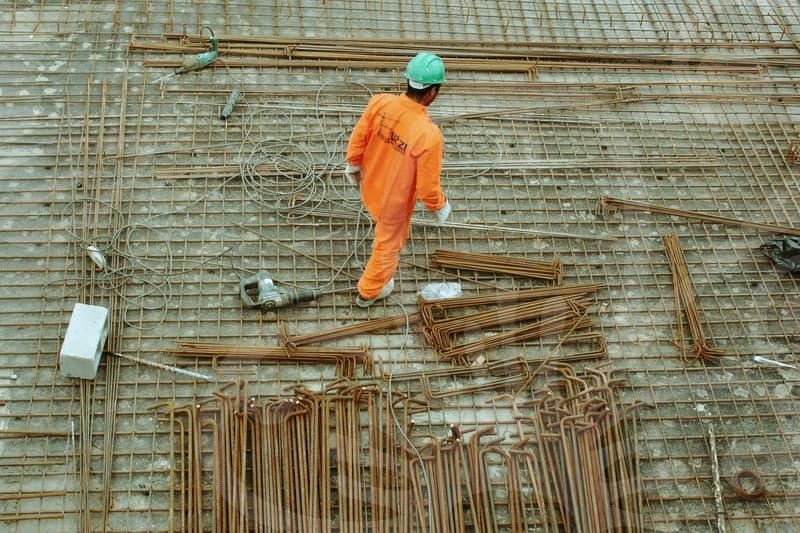
Assess moisture paths Start by mapping how water enters a structure. Look for damp spots on walls, floor joints, and

Waterproofing Fundamentals Moisture control begins with a clear understanding of how water moves through building assemblies. Water can travel under
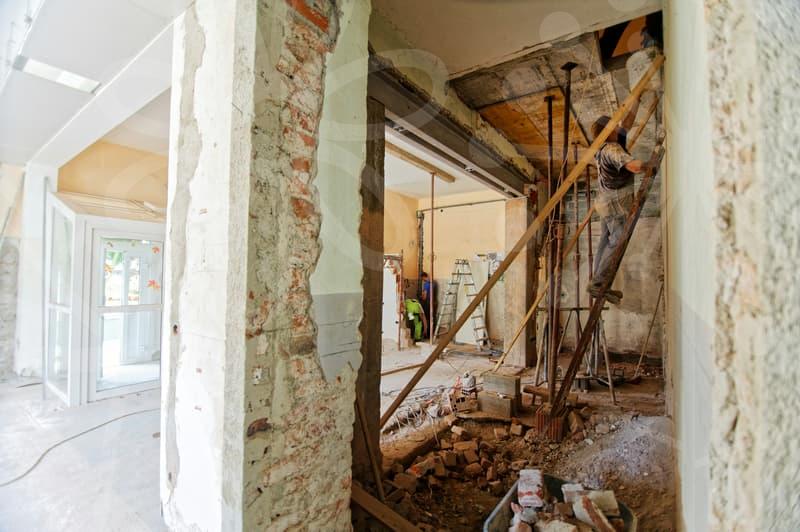
Silicone Systems Overview Silicone systems in waterproofing rely on silicone elastomer chemistry that cures to a flexible film. This flexibility

Assess moisture risk Moisture risk assessment begins with understanding where water originates and how it travels through a structure. Inspect

Materials and preparation Preparation begins long before any silicone is applied, starting with substrate inspection and cleaning. Assess the substrate

Assessing Moisture Risk Inspecting a bathroom for moisture risk begins with recognizing persistent signs that water is shaping the environment.

Assess Moisture Risk Begin with a clear view of the building envelope and how moisture moves through it. Look for

Silicone Roof Joints Roof joints and penetrations are common weak points in exterior waterproofing. Silicone sealants offer elasticity to accommodate

Silicone waterproofing basics Silicone waterproofing relies on elastomeric sealants that stay flexible as temperatures shift. This flexibility helps accommodate building