
Tag WATERPROOFING 1012
Apartment Caulking for lasting seal
Apartment caulking basics Caulking systems in apartment buildings play a quiet yet critical role in keeping moisture at bay. Joint gaps around windows…
Bathroom faucet replacement guide
Check faucet condition Begin by inspecting the faucet for signs of corrosion, leaks around the base, and wear in the handle. Look for staining on the…
Waterproof coating fundamentals
Waterproof coating basics Waterproof coating acts as a thin protective film that blocks water ingress while allowing the substrate to breathe to some…
Leak Repair for Durable Homes
Understanding Leak Basics Leaks occur when the water path is damaged, deteriorated, or not sealed properly. They can start behind walls, under slabs,…

Why urethane waterproofing
Why urethane waterproofing Urethane waterproofing involves a film forming polymer that cures to a flexible, seamless layer. This elasticity accommodat…
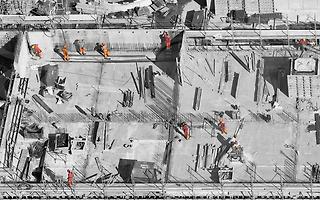
Silicone waterproofing fundamentals
What silicone sealants do Silicone sealants form flexible, durable barriers that bridge joints and gaps, allowing movement without cracking or delamin…
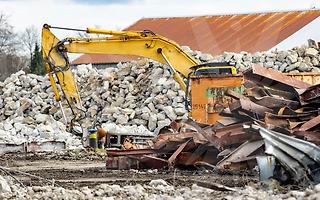
Rooftop Waterproofing Essentials
Assessing rooftop needs Begin by mapping the roof geometry, slope, and surface condition. Note how weather exposure and seasonal shifts influence stre…
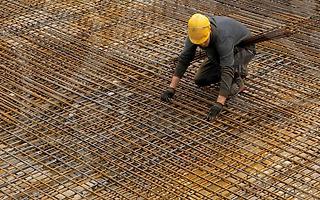
Leak Repair Tactics for Homeowners
Detecting Hidden Leaks Water leaks often hide behind walls or beneath slabs, presenting damp patches only after storms retreat and humidity rises indo…
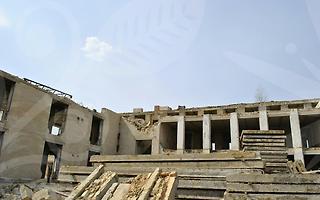
Sheet waterproofing basics
Sheet waterproofing design Movement is inevitable in buildings, so design must accommodate expansion and contraction without tearing the sheet. This p…

Leak Detection in Buildings
Early leak signs Moisture can show up before a water trail appears, signaling unseen failures in the building envelope that justify investigation. Loo…

Sheet waterproofing basics
Sheet membrane materials Sheet membrane materials used in waterproofing act like a shield woven from multiple chemistries, each thread designed to res…
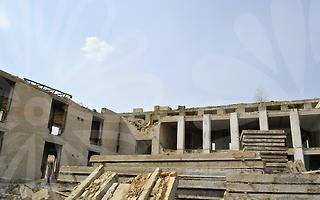
Moisture control in building upkeep
Identify Moisture Risks Moisture risk begins with a systematic survey of walls, floors, and ceilings. Look for staining, peeling paint, and musty smel…

Leak Detection in Buildings Today
Early Signs and Risks In many buildings, early signs of water intrusion appear as subtle damp patches on walls or ceilings. These indicators often pre…

Bathroom waterproofing basics
Bathroom leak clues Water intrusion often hides behind walls and under tiles. Start with a careful inspection of seams around showers, tubs, and vanit…

Leak Repair Tactics for Dry Spaces
Leak assessment basics Leak assessment begins by recognizing moisture indicators such as stains, musty odors, and efflorescence around walls and floor…
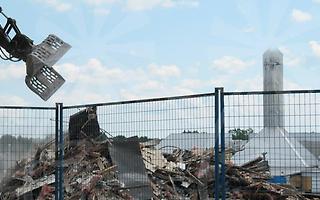
Sheet membrane types for structures
Sheet membrane types Sheet membrane types form the backbone of reliable surface waterproofing across residential, commercial, and infrastructure proje…

Rooftop waterproofing essentials
Rooftop moisture check Moisture on a rooftop signals more than a damp surface and can indicate hidden failures. Look for dark patches, efflorescence,…

Durable waterproofing for homes
Assessing moisture risk Moisture intrusion begins where the building envelope fails to shed water effectively. Start with a comprehensive visual surve…
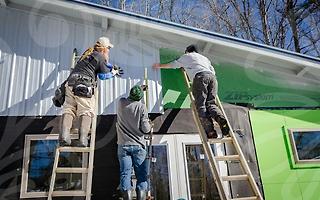
Urethane Waterproofing Essentials
Material Types and Uses Urethane waterproofing encompasses several resin systems and application forms that suit different project needs. You may enco…

Seal for durable exteriors today
Moisture risk assessment Moisture intrusion often reveals itself through subtle signs that appear in both architecture and interior comfort, prompting…