
How Do You Choose a Waterproofing Membrane for a Foundation?
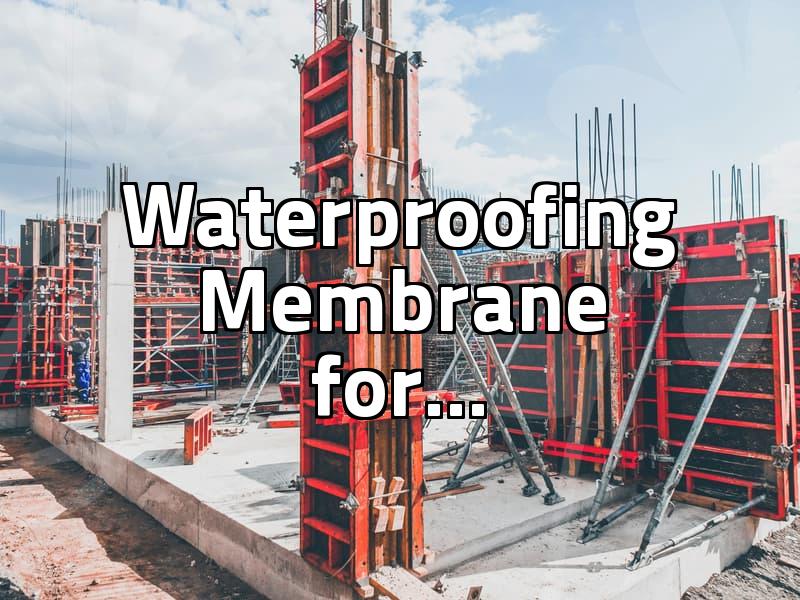
Choosing a waterproofing membrane for foundation work is easier when you start with the conditions around the building, not a product label. Soil, groundwater, the foundation design, and access to the outside all affect which approach makes sense.
This guide compares common membrane types and explains where drainage and careful installation matter. It also covers what changes when the foundation is a raft and why a wall or shower membrane is not automatically a foundation solution.
Waterproofing Membrane for Foundation: Start With the Site
First, distinguish water vapor and occasional dampness from water pressing against the foundation. A membrane can resist water, but the system also needs suitable joints, transitions, surface preparation, and a way to manage water around the building. A product that performs well in one setting may not suit another.
Look at the source and route of moisture before choosing a method. Check whether water gathers near the building, whether downspouts discharge close to it, and whether leaks appear at a crack, a wall-floor joint, or across a wider area. Persistent water pressure or repeated seepage calls for an assessment of the whole assembly, not just a coating over the visible spot.
Common options include:
- Sheet membranes: Factory-made sheets can provide a consistent barrier when seams, corners, and penetrations are detailed correctly. They need a sound surface and protection from punctures during backfilling.
- Liquid-applied membranes: These are spread over the prepared surface and can fit irregular shapes. Coverage and curing depend on the product instructions and site conditions; thin spots or rushed work can leave weak points.
- Cementitious coatings: These can suit some mineral surfaces and locations, but their suitability depends on water pressure, substrate condition, and the system design. They are not a universal fix for active leaks.
Exterior work is often considered when the source is water in the soil, because it places the barrier on the side exposed to moisture. It may require excavation and careful protection before soil is returned. Interior systems can be more practical where outside access is limited, but managing water at the inside face is not the same as keeping it out of the foundation assembly.
How to Compare Membrane Options
Choose a complete system rather than comparing only the membrane material. Ask how the installer will prepare the substrate, treat cracks and joints, seal around pipes, protect the finished layer, and coordinate drainage. These details often determine whether a membrane stays continuous after construction work.
| Option | Often suits | Key consideration |
|---|---|---|
| Sheet membrane | Projects with accessible, reasonably regular exterior surfaces | Seams and penetrations need dependable detailing; protect against damage. |
| Liquid-applied membrane | Surfaces with corners or shapes that are difficult to cover with sheets | Application thickness, curing, and substrate preparation matter. |
| Interior treatment | Buildings where exterior excavation is not practical | Confirm how water will be managed and whether the approach addresses the source. |
Drainage is a separate but related part of the decision. A membrane does not remove water that remains trapped against a wall. Grading, downspouts, and drainage provisions should be checked as part of the plan. If a leak returns after a surface repair, investigate the water path and nearby joints before repeating the same patch.
Waterproofing Membrane for Walls
A foundation wall and an above-grade wall face different exposures. Below ground, the wall may face damp soil or water pressure. Above ground, rain, wind, sunlight, and temperature changes may matter more. The membrane and protective layers should match the wall’s location and construction rather than being selected just because both surfaces are called walls.
For foundation walls, pay particular attention to the transition from wall to footing or slab. Movement, cracks, and poorly sealed penetrations can interrupt an otherwise continuous barrier. For exposed exterior walls, confirm that the chosen assembly is compatible with the wall finish and can handle weather exposure. Do not assume a buried-wall product is suitable for an exposed finish, or vice versa.
Waterproofing Membrane for Shower
A shower membrane is designed for a wet interior area, where water reaches the floor, corners, and plumbing penetrations. It is not a substitute for a foundation membrane: the water source, supporting surface, and construction details are different. A shower system needs a continuous layer beneath or behind the finish, with transitions and drains handled as part of that system.
If a bathroom leak appears on the ceiling below, damaged grout may be visible, but the underlying waterproof layer could also be involved. Replacing grout or adding sealant at the surface may not fix a failed layer beneath the tile. The useful question is whether water is passing through a joint, a penetration, or a damaged waterproofing assembly.
Waterproofing Membrane for Raft Foundation
A raft foundation is a broad slab that supports the building across a large area. Its waterproofing details need to be coordinated with the slab, edges, construction joints, and any service penetrations. The membrane may be installed beneath the slab, around its perimeter, or as part of a specified system; the design and construction sequence determine the appropriate arrangement.
Continuity is especially important where a horizontal layer meets a vertical one. The project team should agree on how the membrane will connect at edges and joints before concrete placement, and how it will be protected from reinforcement, tools, or later work. If a raft is already in place, the available repair options may be more limited than during construction, so diagnosis should come before choosing a coating or injection repair.
Frequently Asked Questions
What is the best waterproofing membrane for foundation protection?
There is no single best choice for every site. The right system depends on water pressure, soil and surface conditions, access for exterior work, foundation design, and whether seams can be detailed and protected reliably. Ask for the proposed system’s installation sequence and details at joints, corners, and penetrations.
How is a waterproofing membrane for raft foundation work different?
It must be coordinated with a large slab and its connection to perimeter walls, joints, and service entries. Planning before the concrete is placed helps maintain continuity and avoid damaging the layer during construction. For an existing raft, first identify where water enters and what parts of the assembly are accessible.
Does a foundation membrane remove the need for drainage?
Not necessarily. A membrane provides a barrier, while drainage and surface water management help limit water collecting beside the foundation. The appropriate combination depends on the site and building design, so have both the barrier and water route assessed.
Before selecting a product, note where water appears, inspect surface drainage, and ask a qualified building professional to explain how the proposed system handles joints, penetrations, and protection during construction.
Comments 1
It's smart to consider the water path when a leak returns; do you have a recommendation for checking nearby joints specifically?